

Our live updates in social networks
Be the first to know about new opportunities right next door or abroad. We tell you right away what is in store for you and how to go for it.

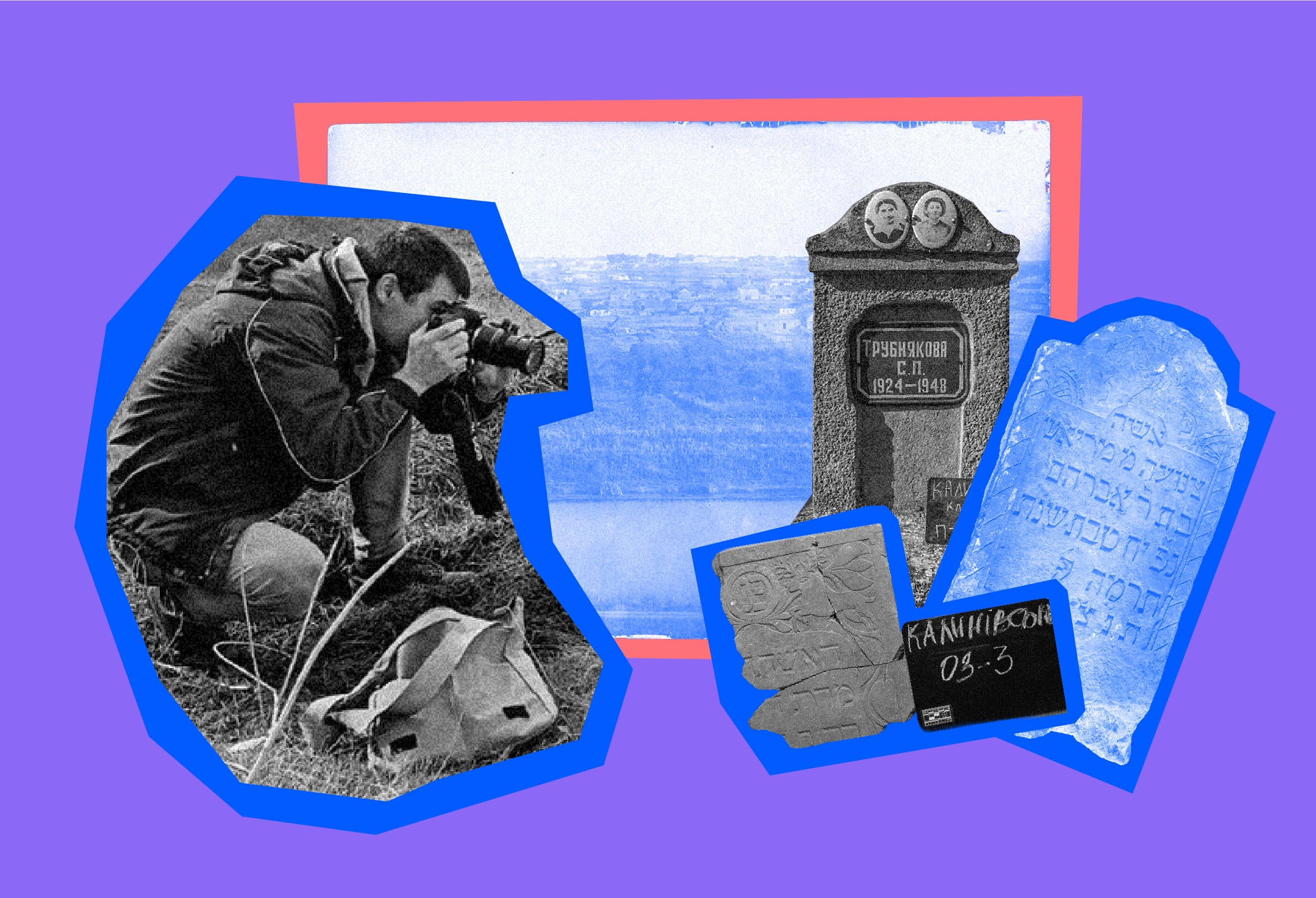
Ukrainians know too little about the Kherson region, says Denys Yashnyi, Candidate of Historical Sciences, monument expert and member of the Amadoka public organisation.
‘What is the idea of an average Ukrainian? Let us be honest: watermelons, wheat, and the Dnipro River. But this is a large, multicultural region, which was perhaps the most inclusive in Southern Ukraine,’ the researcher explains.
Part of this history, in addition to being eroded by time, is now being destroyed by hostilities. To preserve it and pass it on, Denys and the Amadoka team are digitising tombstones in Jewish cemeteries in the Kherson region. The team worked in the settlements of Kalynivske, Bobrovyi Kut, Mala Seidemenukha and Kherson. A Cultural Heritage Digitalisation Grant from the House of Europe helped fund the project. As a result, they developed a website with all the digitised objects, along with descriptions of each.
We asked Denys why it was important to record these tombstones, what they can tell us, how to conduct an expedition in frontline territories, and what is ultimately important to know about Southern Ukraine.
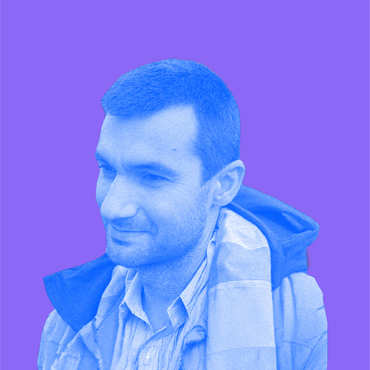
We started working in Kherson back in 2022, after the de-occupation. We recorded architectural monuments. Entering the city was quite safe. Yes, the Russians periodically fired artillery and multiple launch rocket systems, but you could move around safely. But by 2024, it had become much worse: many drones had appeared, and guided aerial bombs had started flying in. We realised that we needed to document as much of Kherson as possible. But the region has specific security requirements, and we could not always get approval for documentation work.
So, when we started the project to digitise tombstones, Kherson was our first location. Unfortunately, we could not cover the entire Kherson cemetery. We managed only about half. By the end of the second day, we realised the Russians had started operating drones nearby. It turned out that you work for an hour, lie on the ground for an hour, or run somewhere into a building entrance to hide. That is not work. I love this cemetery, but I did not really want to rest there (laughs).
Many Jewish cemeteries have already been studied, but no one had reached Kherson. They started from Western Ukraine back in the 1990s, then moved on to the central regions. They reached Mykolaiv, and then COVID began, followed by the full-scale invasion.
We have helmets, body armour and first-aid kits with haemostatic agents. But the safety protocol for operating in an area where drones are flying, if you are a civilian, is not to be in an area where drones are flying.
That is why we decided to go to Kalynivske.
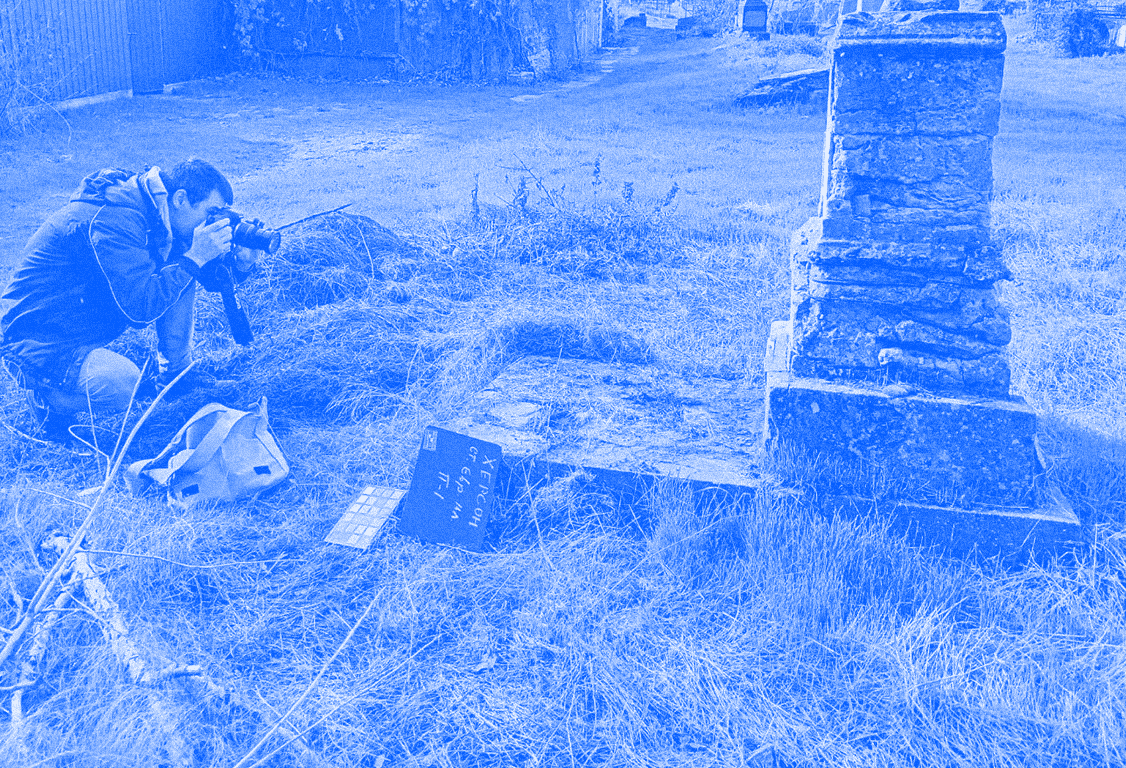
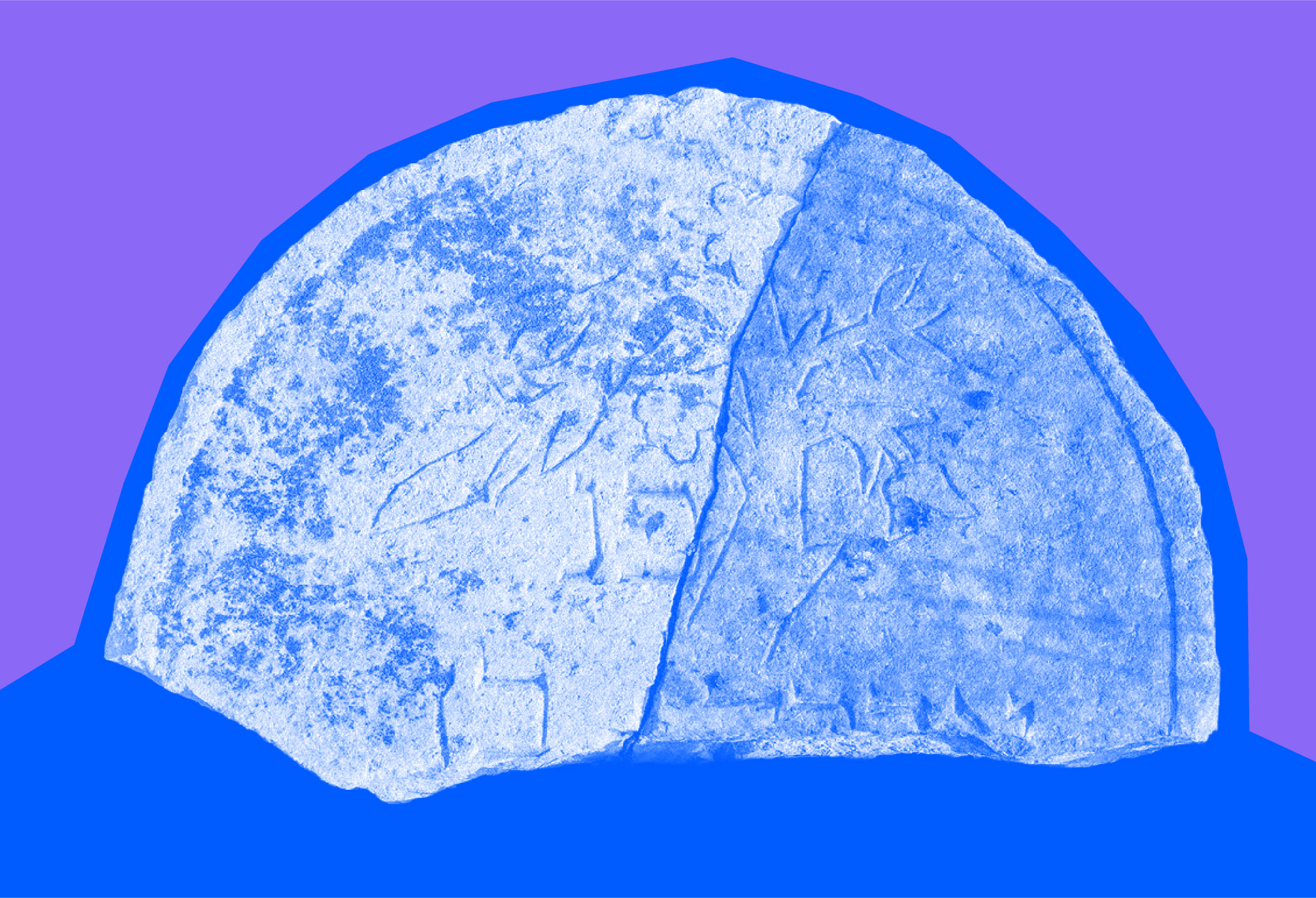
We knew that Jewish cemeteries had survived there. There are not many such places in the region. We cannot say that they are well preserved, except for the one in Kherson. They are simply not completely destroyed. However, in Bobrovyi Kut, only one tombstone remains from the cemetery. During the Soviet period, a tractor brigade was built there. During the occupation, the Russians dug in there because it is located on high ground. We eventually took that tombstone and transported it to the Kalynivske Museum. In Mala Seidemenukha, the cemetery is simply in the middle of a field, and no one there bothers it. In Kalynivske, it is part of an existing cemetery. But these tombstones are still being destroyed.
Because, by and large, if something is known about the Mennonites of the Kherson region (a German Protestant community that has lived here since the end of the 18th century), there are preserved houses and absolutely incredible churches, whereas the situation with the heritage of Jewish settlements is very bad.
This is a great loss and an obliteration of the historical narrative. The Russians really like to say that nothing happened here, that they came and did everything.
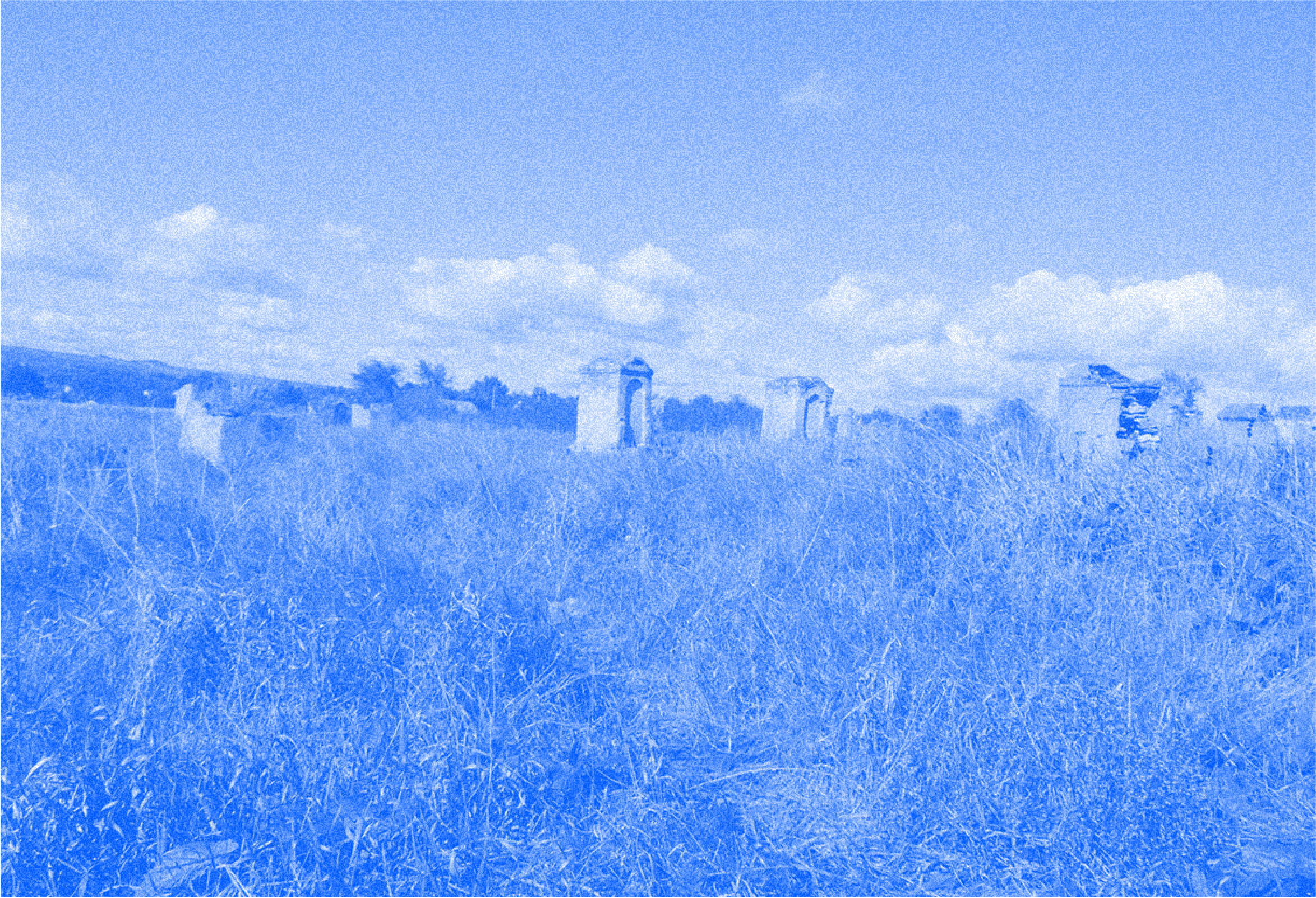
But we must also understand that the current Ukrainian grand narrative, which is mostly built in opposition to the Russian one, can also be very flawed. The thing is that when we say ‘the Ukrainian south’ rather than ‘the south of Ukraine’, we are a little bit wrong, because, if we take it purely ethnically, it was not Ukrainian. And I am very surprised by people who believe that the ethnic affiliation of non-Ukrainians somehow diminishes the Ukrainianness of this land. Kherson is Ukrainian, but ethnically it is very multicultural, and that is why it is so great.
I have my own background with this. I am originally from Crimea, and when we left the occupation in 2018, we stayed in Kherson for a while. The Kherson steppes reminded me of northern Crimea, where I spent my childhood, so when I first came here, I felt, ‘Oh, this is it.’ It became a kind of consolation for me, because I cannot return to where I grew up.
There were six of us. Thanks to the grant, we could afford to hire someone to build our website, as well as a specialist in Jewish culture and the translation of inscriptions. And, of course, we covered our own transport and equipment for the work.
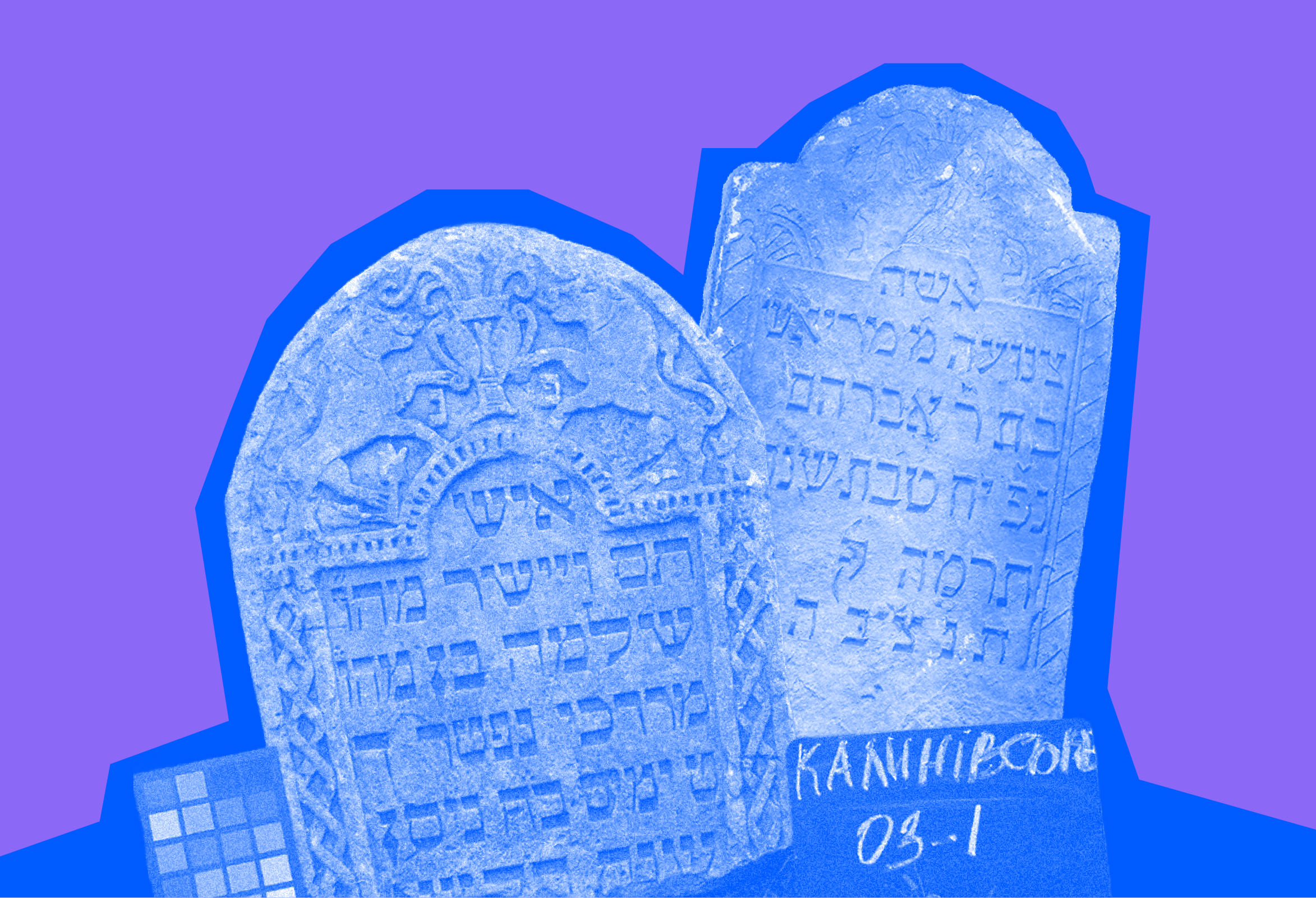
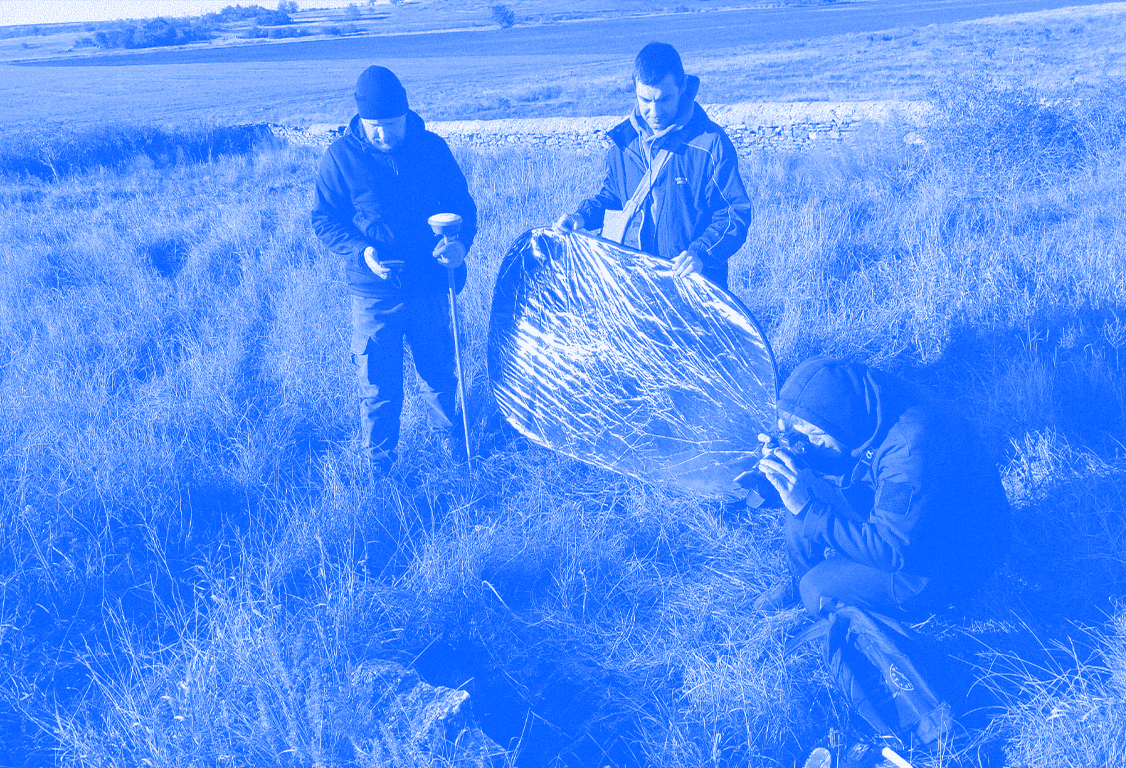
We got up early to catch the ‘golden hour’ and worked as much as we could. A couple of times, we worked after dark. Then the lighting equipment we had purchased was really helpful. The locals would come up to us and ask what was shining in the cemetery. We were like, ‘Well, we are working.’ They had light restrictions in the village, and we had disco lights (laughs).
That is, we did not rush. We could spend half an hour working around a single stone sticking out of the ground. Some tombstones are peeling away, with nothing visible above the ground. We start cleaning them, and it turns out there are letters underneath. In Kalynivske, we were given a house to stay in, although it had no electricity or water. But it is cool, because you understand that people care.
About 50% of the tombstones have inscriptions, and we have deciphered and translated them. But they continue to crumble over time. The tombstones need protected status, proper fencing and clear marking of the territory. I am afraid that if we come back this year as part of another programme, some of them may no longer be there.
While working on the project, we borrowed an industrial GPS tracker from the Khortytsia Nature Reserve and recorded places with no tombstones, subsidence, or only stone slabs. This allows you to see how the rows have shifted and understand how long the cemetery has been in use.
Unfortunately, during the occupation, the Russians removed all the birth records from the Kherson Regional Archives. And not all of them had been digitised. We tried to find documents by date of birth, but we do not have them. They are now in Crimea. And the tombstones remain the only evidence that these people once existed.
It is strange, wild, and frightening. But it is what it is. And the inscriptions contain information about who these people were, who their parents and children were, what they did, and what family ties existed between branches of different families.
That this is such a complex and fascinating region, with all due respect to other regions of Ukraine. The south, in my opinion, is the quintessence of multiculturalism and inclusiveness. This is our Wild West. Everyone gathered there: the rich, the poor, the lame, and the barefoot. And it was such a melting pot. We simply did not have time, as they did in the US, to create something more or less monolithic out of this pot. And our south was the Wild West long before the Wild West.
It was a border region. Between the settled areas where Ukrainians lived and the steppe that belonged to the Horde, the Budzhaks (Budzhak Tatars are a Turkic people) and the Nogais (a Turkic-speaking people who formed part of the Nogai Horde). History textbooks always told us they fought, but that was not true. They traded quite successfully and lived side by side. This created a particular way of life: you could come as anyone and become anyone. Sometimes you read about someone who came from some German duchy and did amazing things. Or the unfortunate Jews from Homyel Province who moved to the south of the Kherson region and established Bobrovyi Kut there. Until the Nazis came and destroyed them.
The steppe is a very specific region. In my opinion, it is always about accepting otherness. There, you can be anyone. You can leave any imprint. This is what I want to convey.
We would love that. But first, we need to retrieve the records that the Russians took away. And I think we will get them someday.
Text: Kateryna Amelyna
Editing: Viktoriia Osipova
Translation into English: Iryna Goyal


It seems you are using Internet Explorer. Please consider browsing with Safari, Google Chrome or Mozilla Firefox for a better user experience with our website.