

Our live updates in social networks
Be the first to know about new opportunities right next door or abroad. We tell you right away what is in store for you and how to go for it.

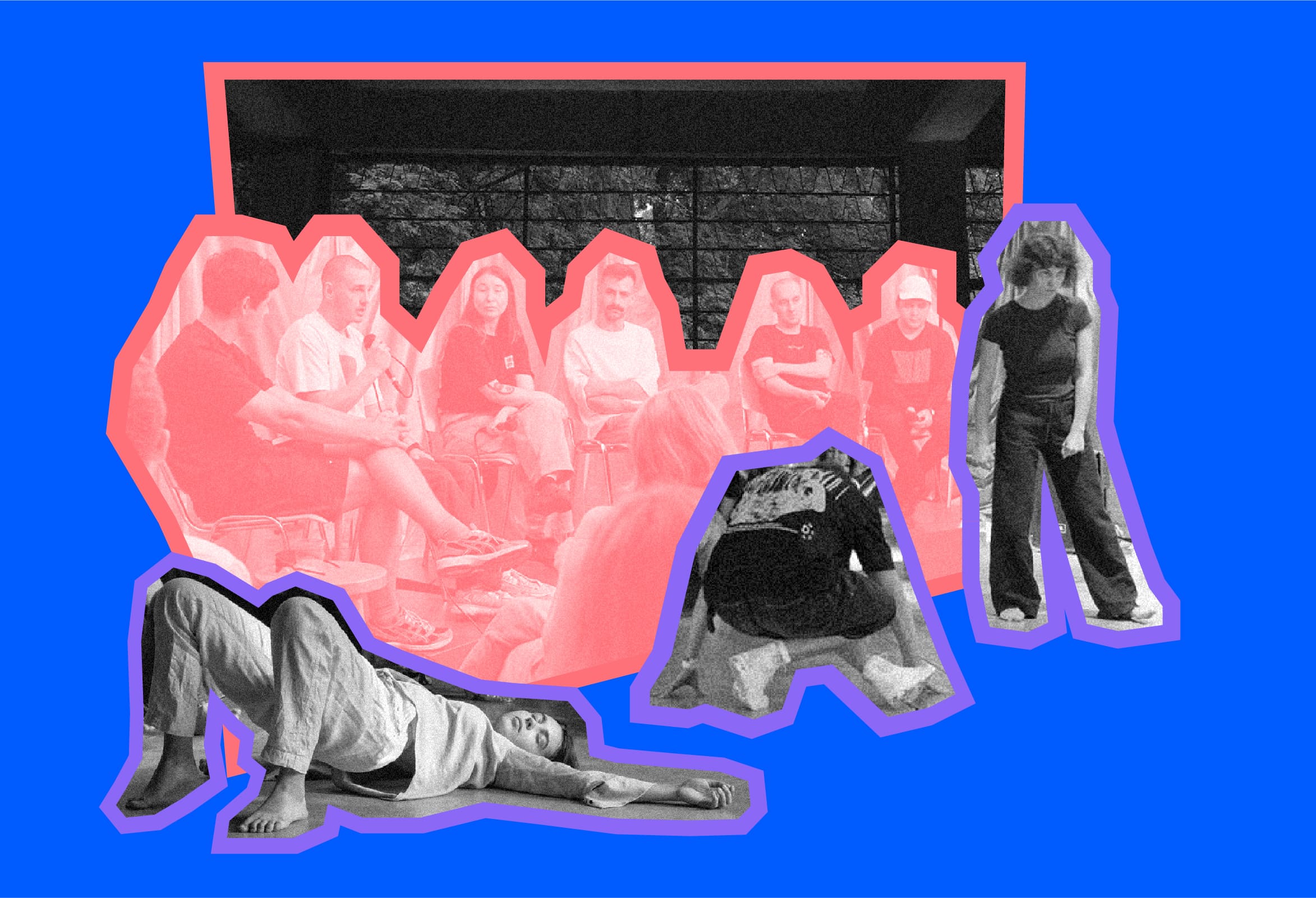
How appropriate is it to hold an electronic music festival during a full-scale war? This was the question the team behind the ‘Detalizatsiia’ festival in Ivano-Frankivsk was grappling with.
The event last took place in the summer of 2021. It was a 24-hour rave with three stages. The new reality dictated new rules. Initially, the team considered bringing the festival back in 2023; however, opinions were divided. In the end, a vision for a new format emerged in 2025, and a Local Events Grant from the House of Europe helped strengthen it.
This meant the festival could expand, attract even more artists and engage with the audience on questions that had been brewing over the years. These included how the scene is doing today, whether there is still room for escapism, and how gender dynamics in the industry have changed.
We spoke about these issues, as well as the results of the new format of ‘Detalizatsiia’, with Anna Potyomkina, an artist, cultural manager, and co-organiser of the festival.
Doubts about whether the festival was feasible became the basis of the new concept. We had many discussions about how we ourselves had changed, how the scene had transformed, and why we were continuing with the project at all.
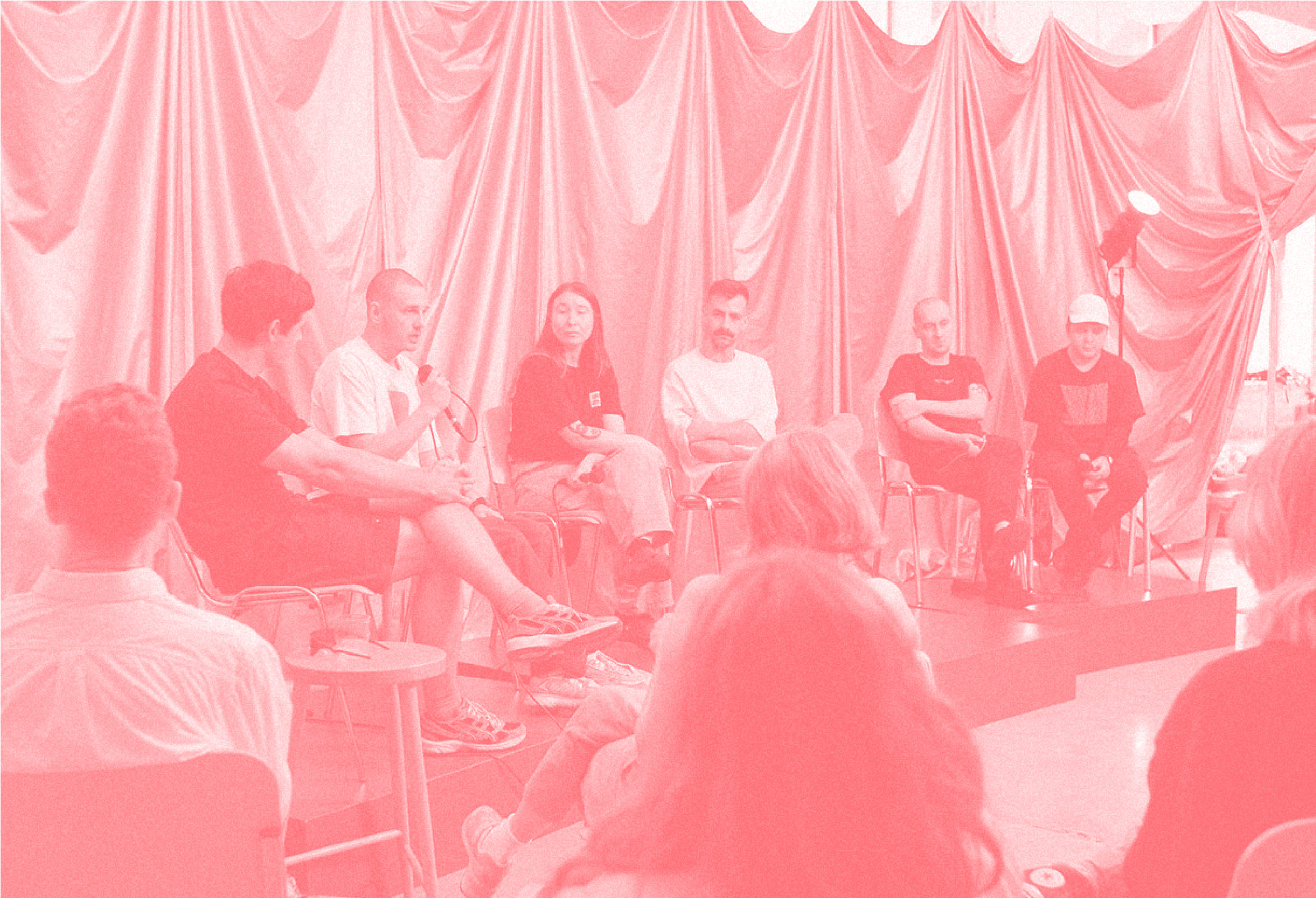
As a result, we placed less emphasis on dancing and music and made an educational programme open to everyone the centre of the project. In lectures, we talked about how we perceive sounds, which ones have become triggers, and what sounds and styles we are drawn to now. We heard the same thing from colleagues in other cities: there was a demand for experimental music. Probably because not everyone wants to dance now, there was more space for focused listening.
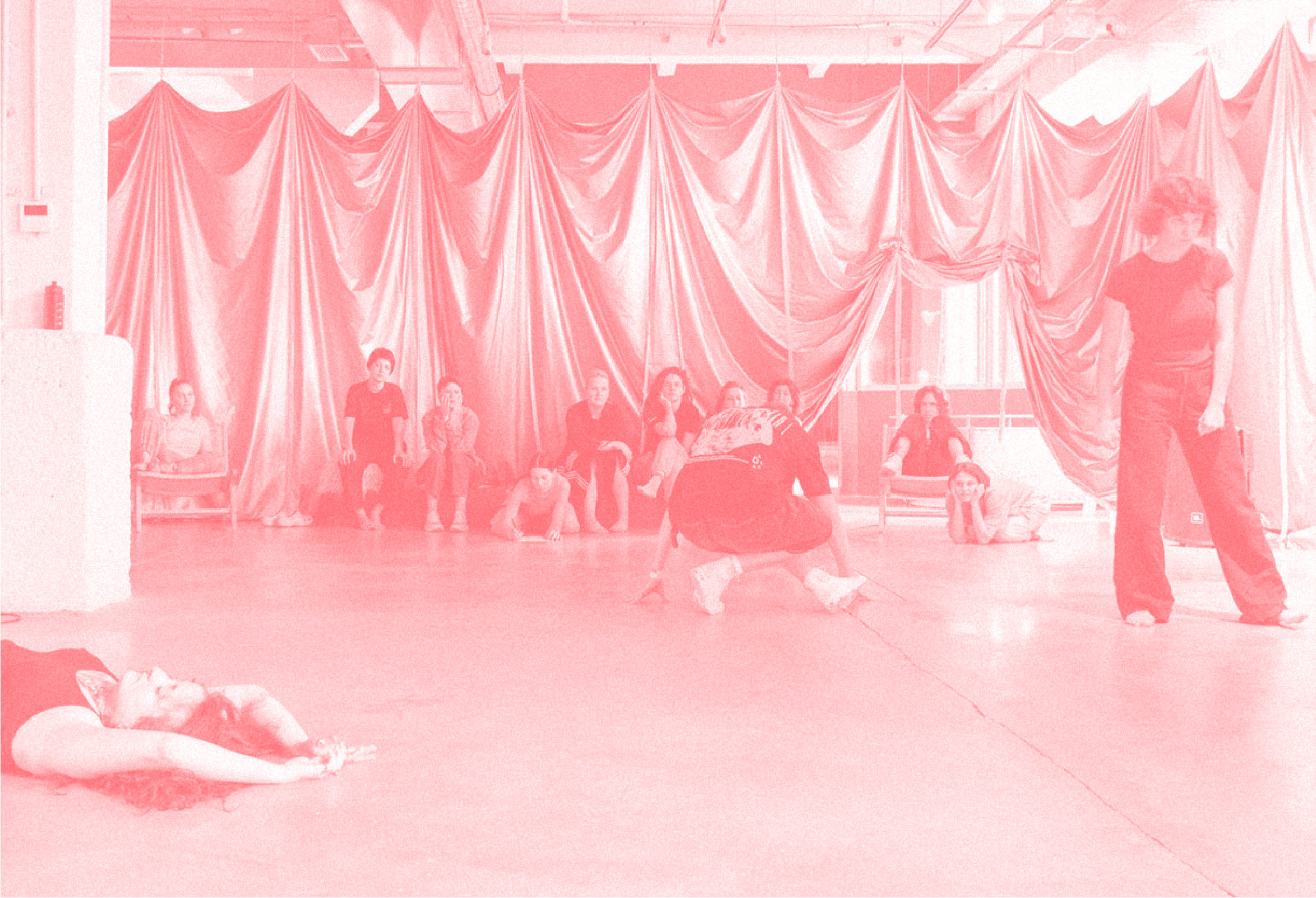
In addition, we opened up the topic of dance and corporeality: what exactly are we dancing, and what is this movement about, given that it is far from always about joy? At lectures, we talked with researchers about how collective dance can help us experience difficult states and experiences. We held performative workshops with artists who work with bodily practices. It had a therapeutic effect. This is almost always the case when you work with the body.
One pressing question raised during the festival was: why do we have parties at all? Is it about escapism or about more conscious formats like experiencing trauma and bringing the community together?
No one has the answers to these questions, but there was a desire to meet and talk about our pain. In particular, there was a desire to talk about the pain of the gap between those who stay in the country and those who leave. This phenomenon is present throughout the cultural sector, but, in my opinion, it is felt more acutely in the music scene.
Another important topic was gender in the electronic music industry. Historically, men dominated the scene. But what is happening now, when women are mostly the ones who have the opportunity to perform abroad?
We decided to discuss this during the festival. We remembered how women’s image was sexualised until 2014, during the popularity of drum and bass. And although more and more women began creating their own music later, the industry remained male-dominated. After all, the electronic music scene is closely connected with technology and equipment, which men had more access to. And this was not only the case in Ukraine.
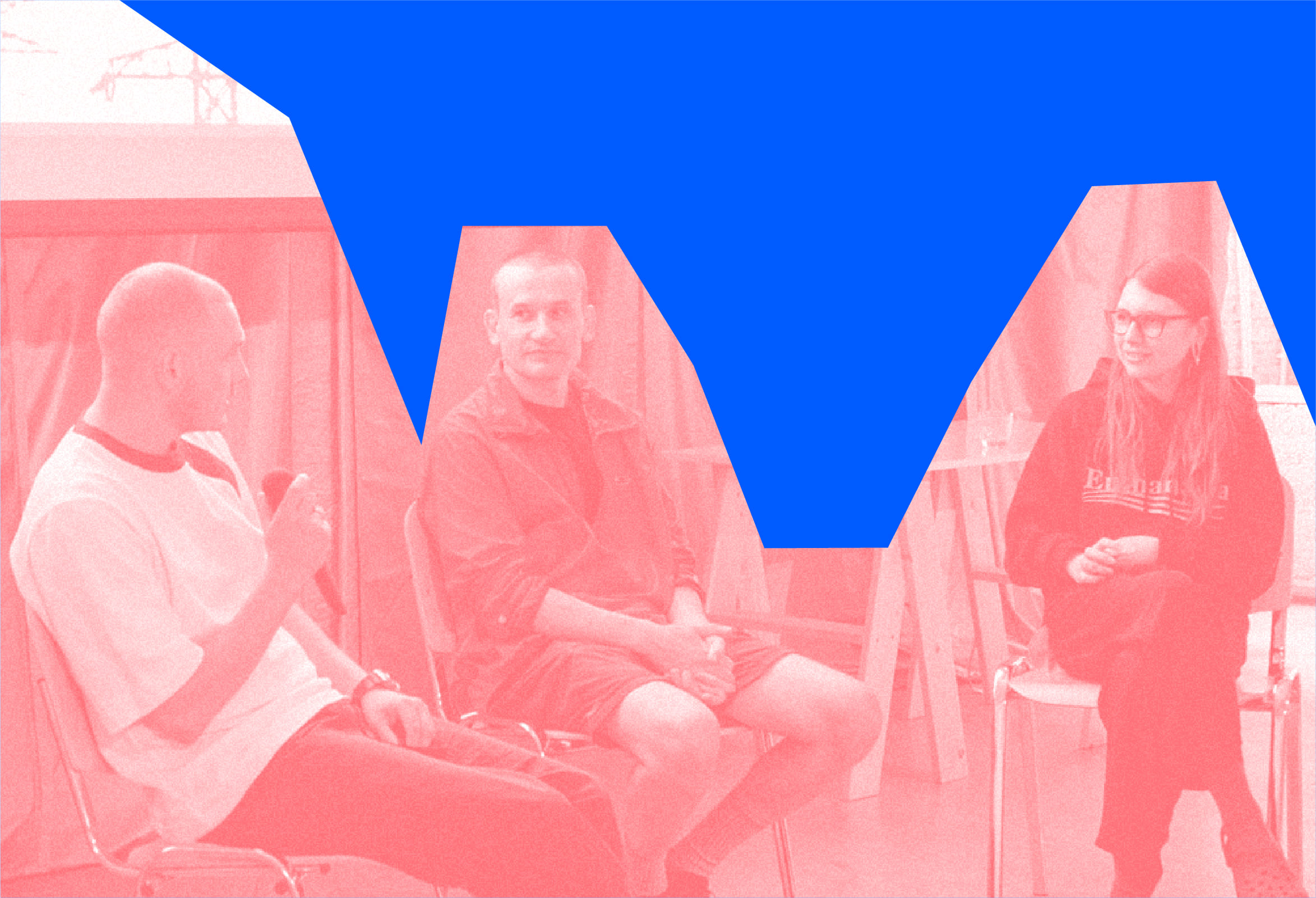
To avoid sexualisation, a female DJ had to create an androgynous, ‘no-gender’ image, resorting to a kind of disguise so that she would not be identified as a woman. Now everything is the opposite: young artists sometimes consciously exaggerate feminine features. This is very similar to the post-feminist trend, when women themselves choose how to represent themselves, sometimes even using stereotypes to their advantage. And this is quite normal when the choice is made by the woman herself, rather than being imposed on her by the stage.
Open and accessible training has also helped new female names emerge on the scene. For example, there is the ‘Detali’ music school in Ivano-Frankivsk. It is no longer a closed party where guys teach guys; women go there more often.
But the question of technical expertise remains: lighting and sound are still predominantly male roles. Because of the war, many events now lack these specialists. And in this respect, women are still rarely involved; the field remains male-dominated. There is no clear answer on how to address this.
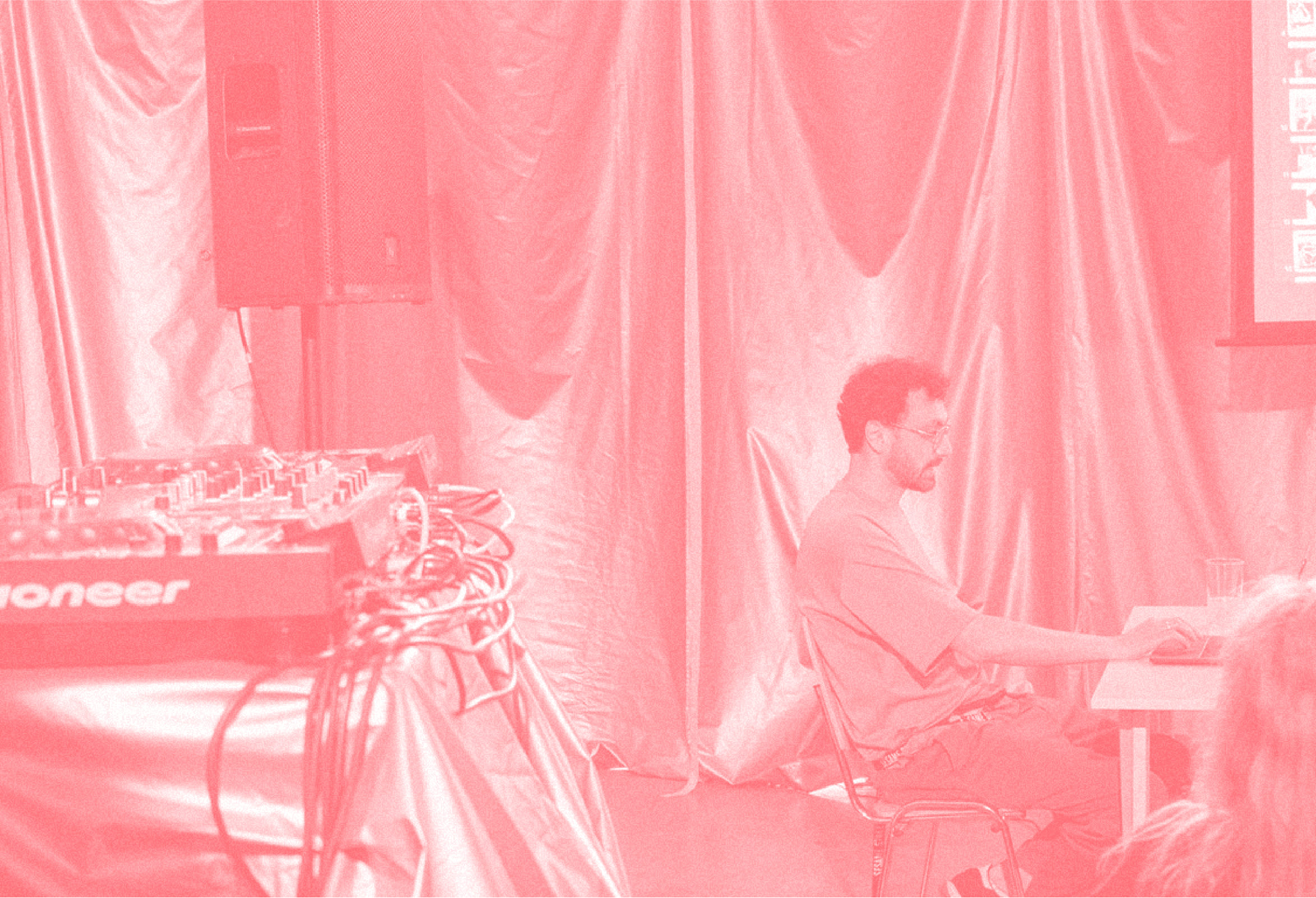
Before the full-scale invasion, we held festivals partly at our own expense and partly with business support. This time, for the first time, we implemented everything thanks to a grant.
The team had experience working with grants on other projects, but this was new for ‘Detalizatsiia.’ And I think it was one of our most peaceful festivals. With a clear understanding of how much money we have and what we are spending it on, you plan everything in detail and cannot afford to miss anything. The grant system keeps us in shape (laughs).
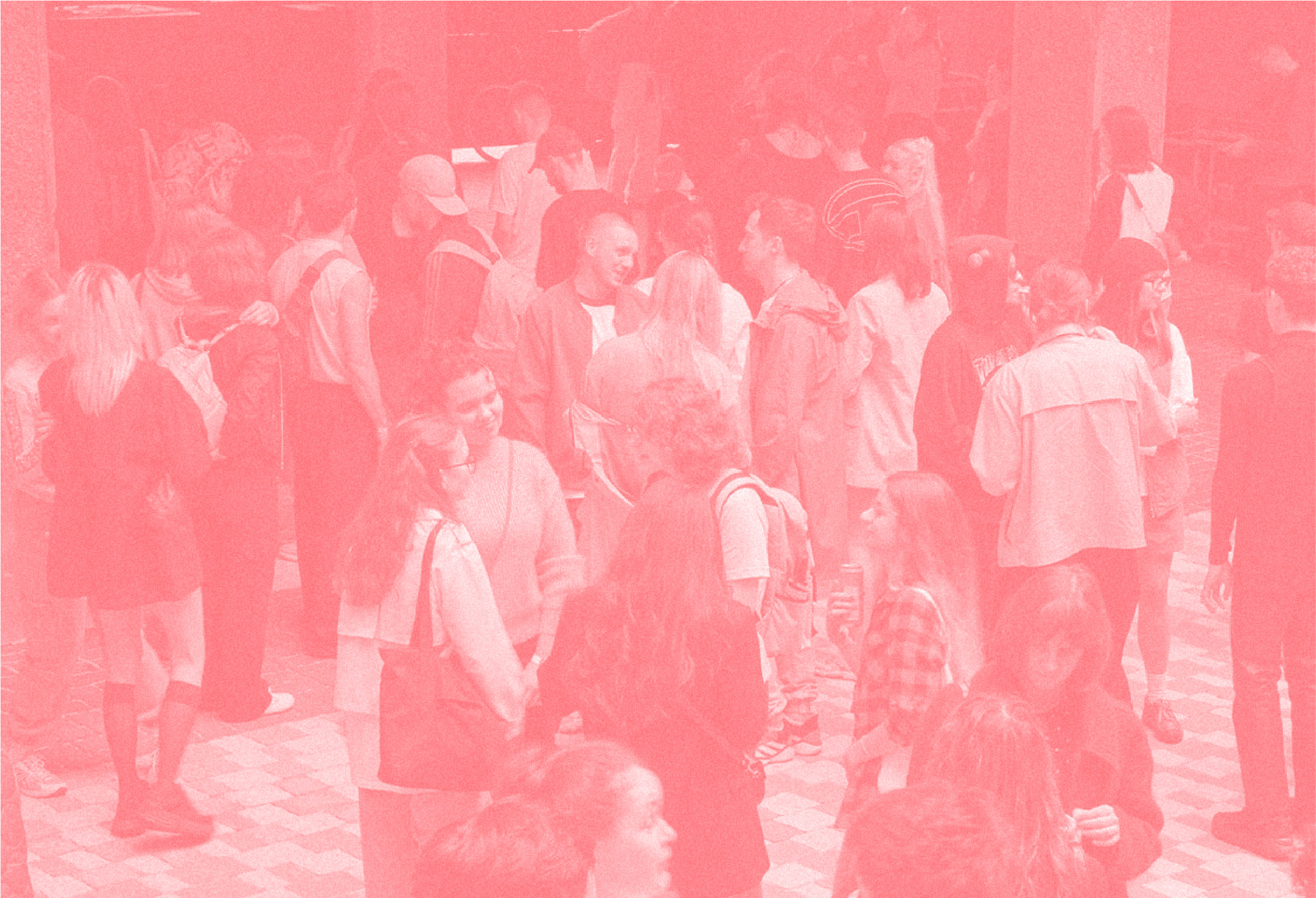
At the same time, there was still room for new ideas. When we were preparing the application, there were significantly fewer events and topics, but as we got closer to implementation, we expanded the programme, and the budget could accommodate it.
Compared with previous years, business support has always had its limits. Funding was limited, especially for my visual work, so we limited ourselves to local artists who did not need accommodation. Thanks to the grant, we attracted more artists from other cities and paid them decent fees.
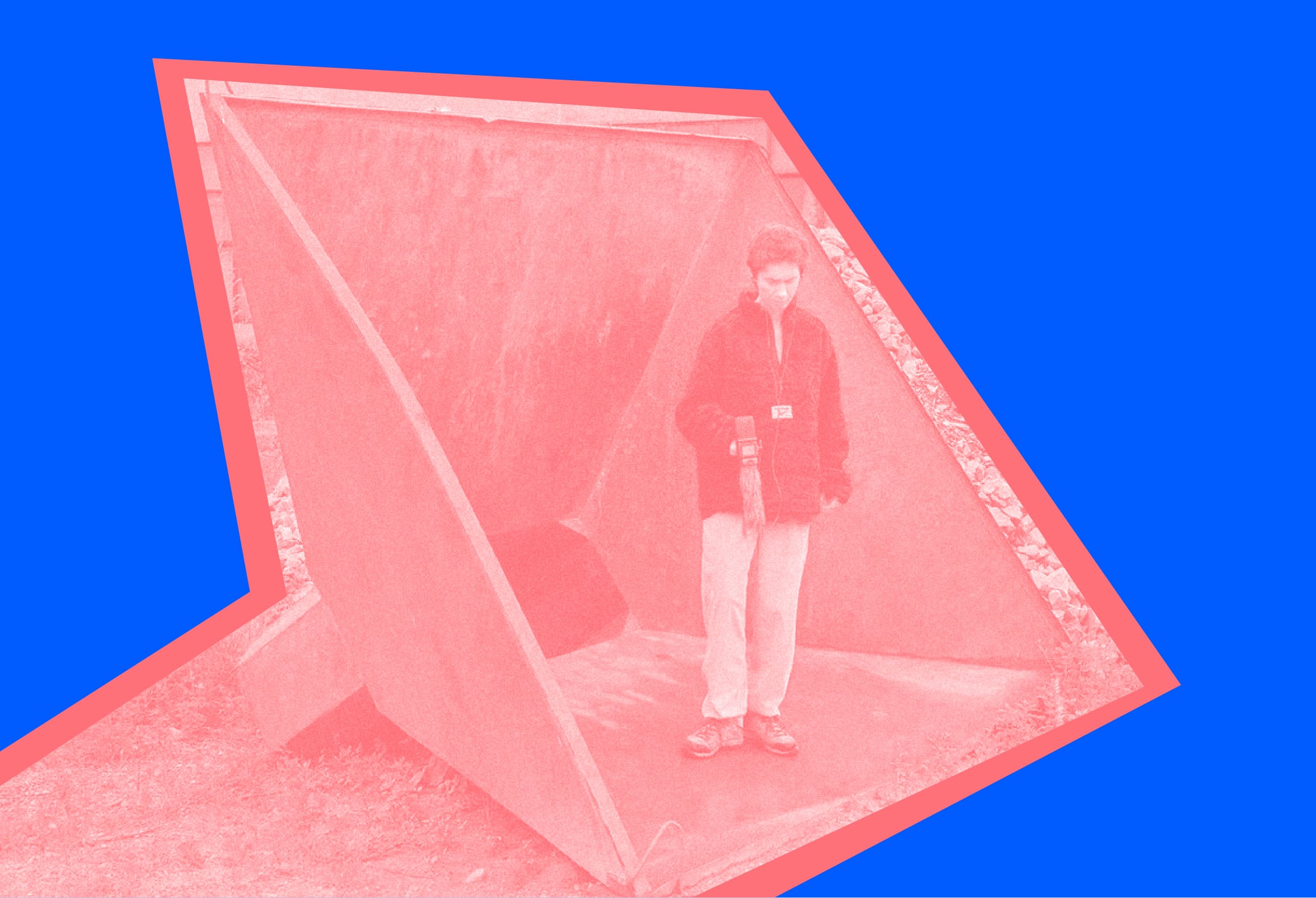
The main question behind the new format was: would people used to 24-hour raves come to us, and would they stay active under the new conditions? A pleasant surprise was that we had even more visitors than expected. We even expanded our audience. For example, people from the artistic community attended sound art and performative practice events, while the audience interested in audio content chose workshops on music production and DJing. Each group found its own points of interest. We managed to attract people not only to the 24-hour rave but also to other activities.
So the team’s main conclusion was that ‘a festival for the sake of a festival’ is definitely not about us. There should always be a deeper concept, an answer to the question: what exactly does this project give to the community, beyond serving as a platform for meetings?
That is why we decided to abandon the annual format we had before the full-scale war. Instead, we will hold a festival once every few years — to accumulate resources and have time to monitor how the scene is changing.
What will the team and I do between festivals? We have a rather specific situation: I am from the visual sphere, while Oles (Zazulin, the founder of the ‘Detali’ formation and co-organiser of the festival) is from the musical sphere. Between projects, we are simply friends and only occasionally talk about work. This allows us to take a break from organising and re-examine new ideas for ourselves. I don’t know whether our intermittent rather than ongoing cooperation is an advantage or a disadvantage. However, now, after the latest ‘Detalizatsiia’, we have been thinking about creating educational programmes during the periods between festivals, and not necessarily purely musical ones.
Text: Kateryna Amelyna
Editing: Viktoriia Osipova
Translation into English: Iryna Goyal


It seems you are using Internet Explorer. Please consider browsing with Safari, Google Chrome or Mozilla Firefox for a better user experience with our website.