

Our live updates in social networks
Be the first to know about new opportunities right next door or abroad. We tell you right away what is in store for you and how to go for it.
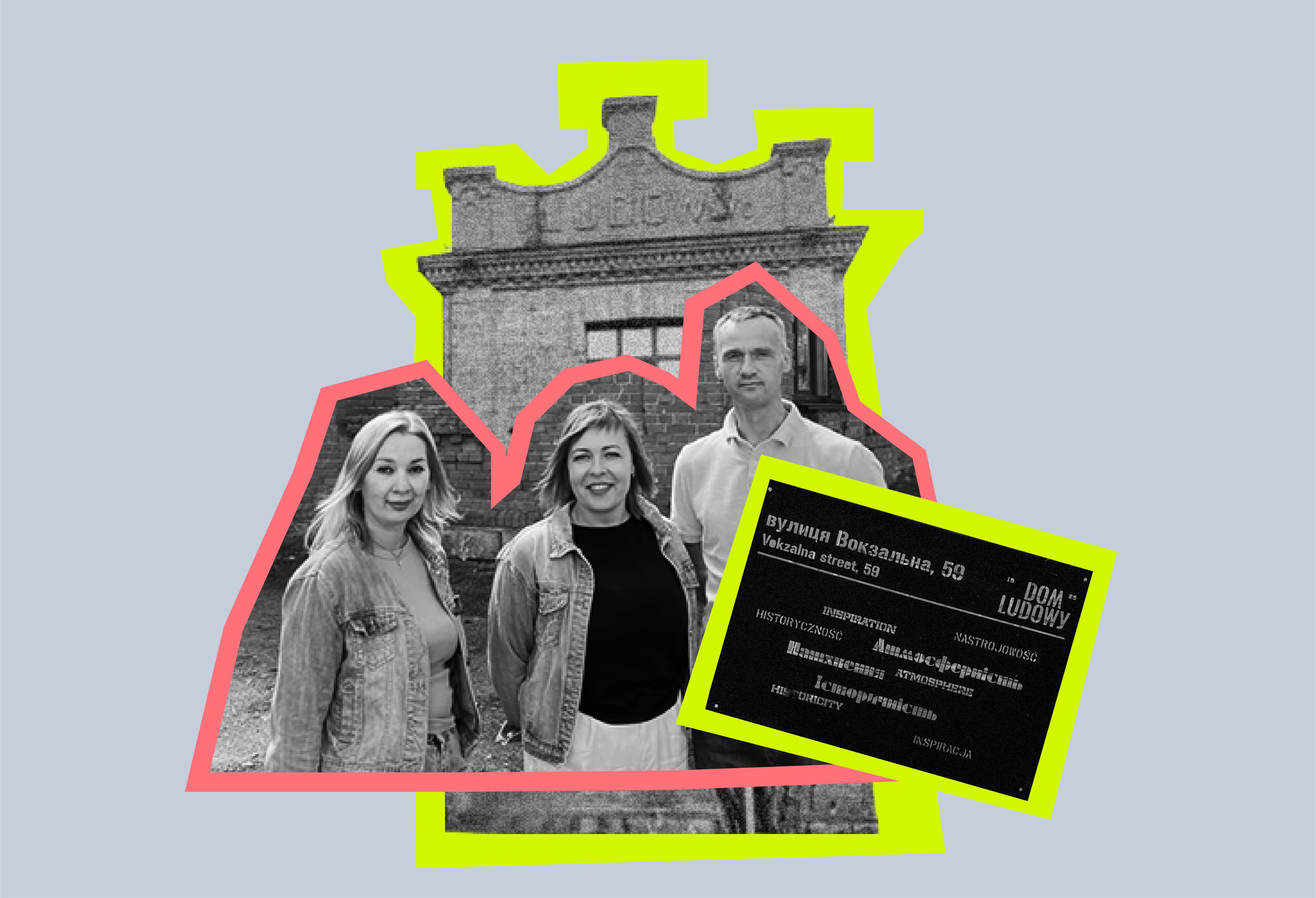
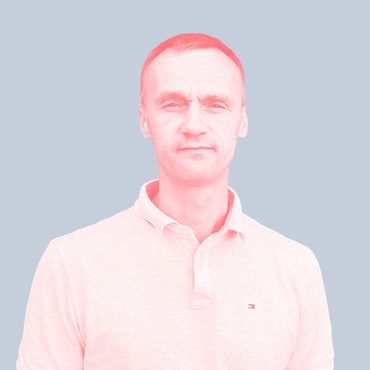
‘When I first took on the project, a friend told me it would become a lifelong undertaking. I laughed and said, “Oh, stop it! Everything is obvious here. We’ll get everything organised in no time.”' Ten years have passed since then,’ recalls Roman Hurnytskyi, the initiator of the Dom Ludowy creative space in Khmelnytskyi.
The historic building, which is now being brought back to life, is almost a hundred years old. It was built with the Masurians’ own money and through their collective efforts. The Masurians were ethnic Poles who had lived here for generations until the Soviet authorities began destroying the community through repression.
Today, Roman, himself a descendant of the Masurians, is in charge of the space. His friend was right: little by little, the project really did become his life’s work, and a Large Infrastructure Grant from the House of Europe gave him the inspiration to continue.
We spoke to Roman about the journey he has been on over the past ten years, how he managed not to lose heart or abandon what he had started, and how he envisions the future of the space.
I have no professional connection to cultural heritage, but when I heard that they wanted to demolish Dom Ludowy, I could not stay away. I could not bear the thought that the only surviving piece of Masurian heritage would simply be destroyed. By that time, the building was already without electricity, water or heating. It was falling into disrepair, and the roof was leaking.
The community built Dom Ludowy voluntarily in 1928. Every household contributed five roubles — a huge amount of money at the time; you could buy a cow for that — and people spent their weekends on the construction site so they could have their own school and library. But after 1937, around 80% of the men in this neighbourhood were repressed or executed. Three of my own great-grandfathers were among them, labelled enemies of the people.
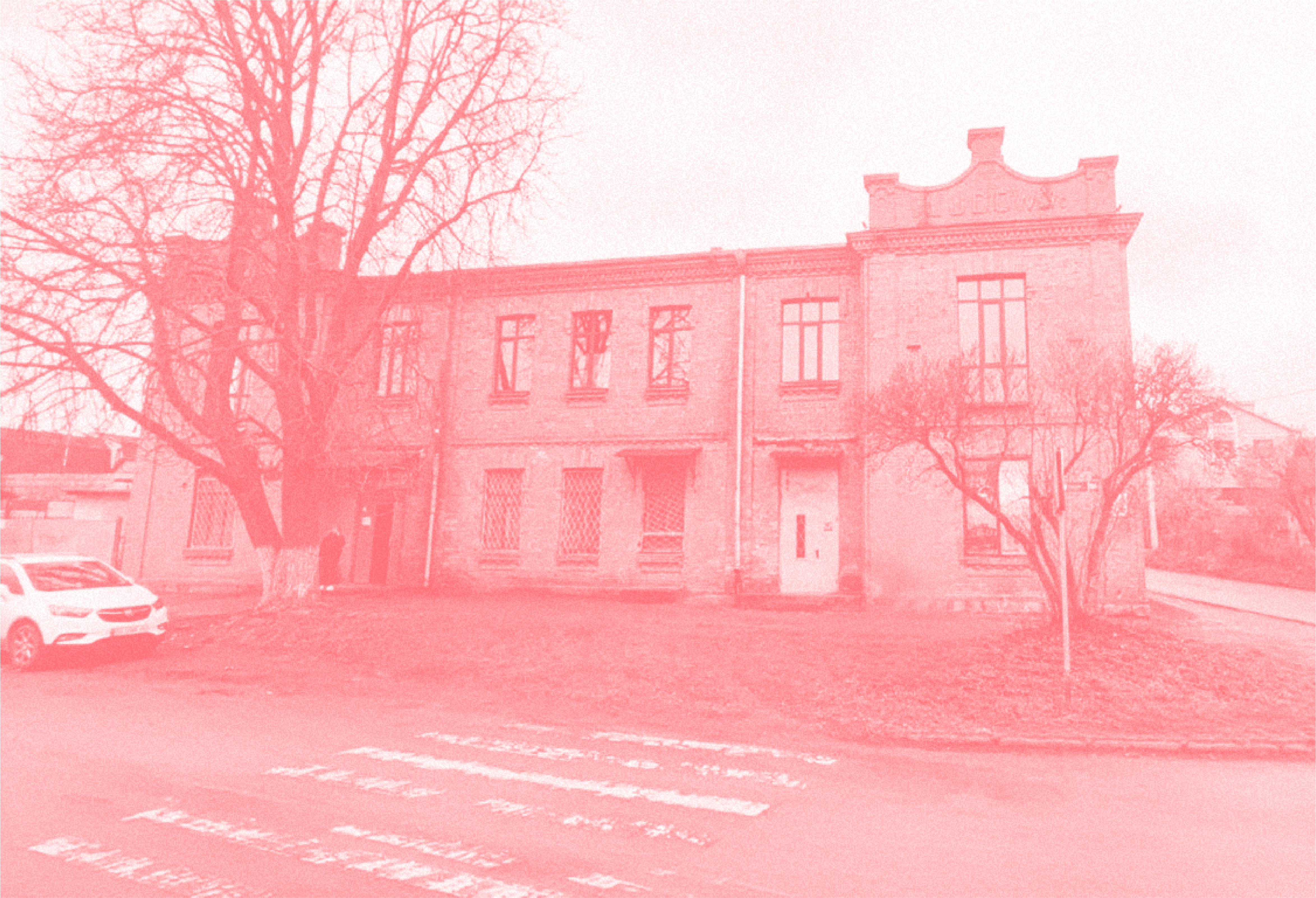
After the Second World War, the building became the state farm’s assembly hall. Later, it was repeatedly remodelled to suit the authorities’ needs: it housed a children’s sports school, the Chamber of Commerce and Industry, offices and a comprehensive school.
There were many different tenants over the years, and each of them added or blocked off something. You can still see it in the walls. After 1991, the building housed the Chamber of Commerce and Industry. Then, in 1994, the gas and electricity were cut off. At one point, the premises were transferred to the regional Union of Poles on a 50-year lease. They tried several times to secure funding, but nothing worked out, and eventually they gave up.
That was when several activists I knew and I decided to develop a vision for the building. The Polish Consulate provided funding for the visualisations, and we conducted a public opinion survey. We wanted to hear more than simply whether people thought it was 'good' or 'bad'. We wanted to understand whether anyone was also willing to take responsibility.
I was also offered a job at the municipal enterprise that had taken the building onto its balance sheet. Since then, we have been renovating it little by little.
We knew we wouldn’t be able to take on all 570 square metres at once, but we did manage to register the land plot. That meant no one else could lay claim to the site.
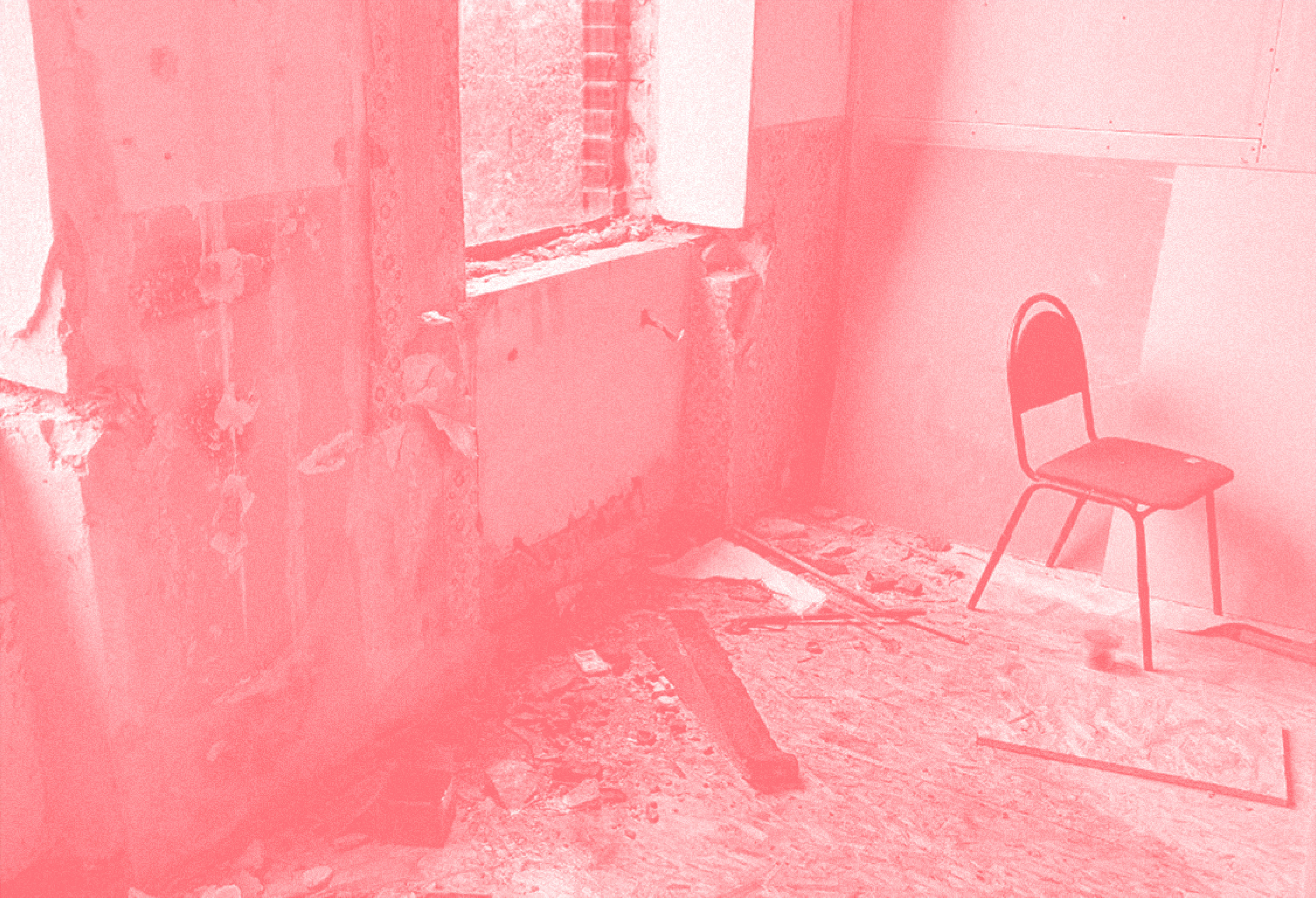
When we first started, it seemed like everything would happen quickly. In reality, progress came in waves: sometimes things moved forward, then everything slowed down again. Children were born. Then the full-scale war began. Some people joined the army, others moved abroad. On top of that, dealing with the paperwork took a very long time. I had no idea just how bureaucratic the system was. But there is a way forward, and we are moving ahead.
The number of people involved in the project has changed over time. Three people worked on the renovation of the second floor. But because I also work at the municipal enterprise that manages the building, I’ve been able to bring in other specialists as well, for example, an accountant to provide advice. We also have several volunteers who help from time to time, whether by conducting surveys or physically clearing rubbish. People came and went.
There were times when I thought, ‘Well, that’s it. It’s over.’ But six months later, I would find myself thinking, ‘I need to go back.’ Why did not I lose heart? Whenever my family gets together, I remember that I had three great-grandfathers who were executed. They certainly would not have wanted this work to stop.
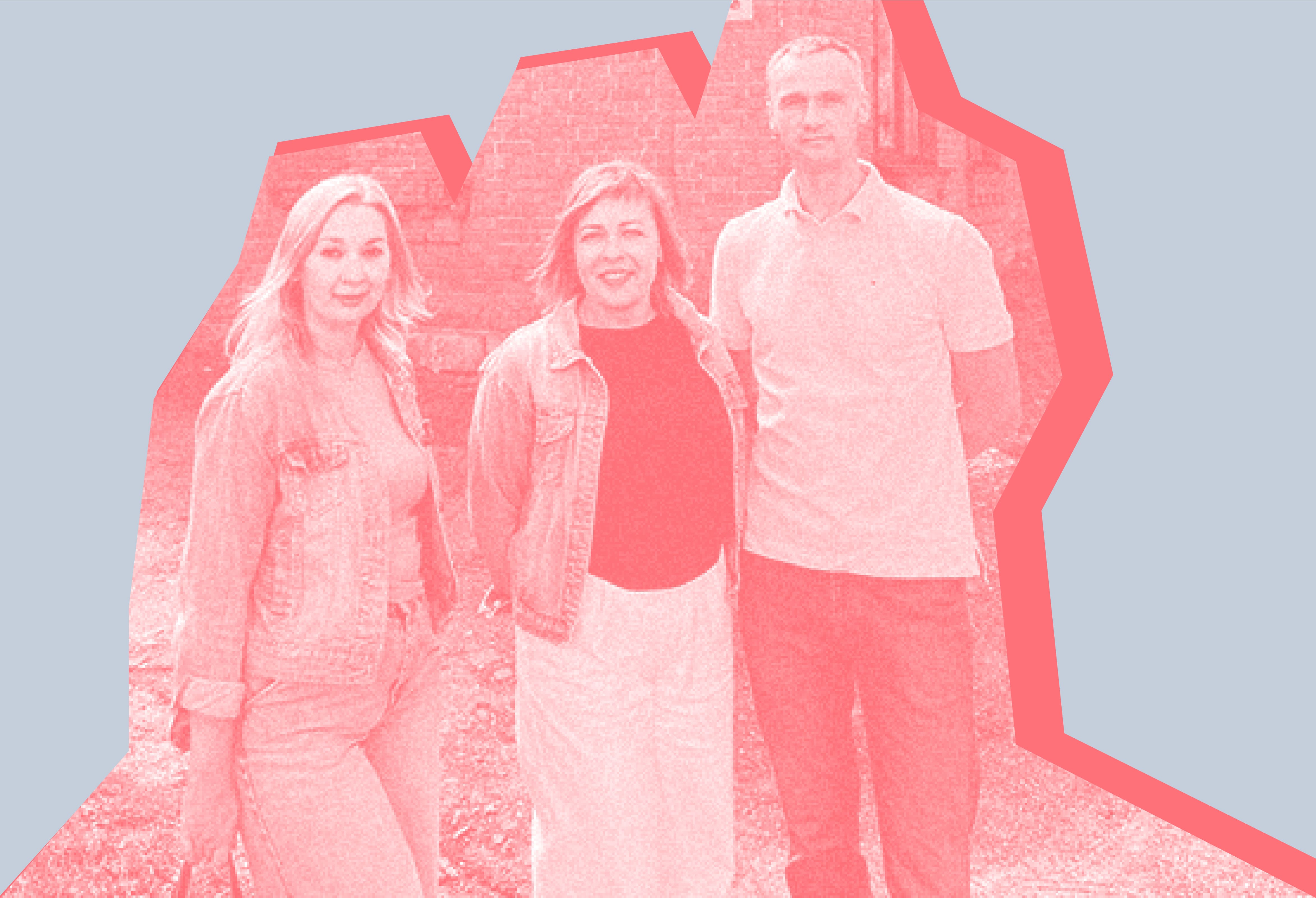
The House of Europe grant gave us another major boost. Thanks to it, we were able to work with the first floor, and we now have it half restored. The results are inspiring, and even local residents are getting involved. Once, a priest from a nearby church called to ask whether he could bring some of his colleagues for a tour. Afterwards, he said, ‘I can see that you have put your heart and soul into this,’ and donated one thousand euros. Thanks to that, we were able to install transparent doors, just as we had always wanted, because we wanted the space to feel open.
Many local residents have a personal connection to this building. Some have photographs of it in their family archives; some studied here; some worked here; others, like me, have stories of repression in their family history. That is why people feel such a strong attachment to the place. They are willing to share their memories and offer their support, even though there is still a long way to go.
At the beginning, the future was uncertain, so it was not easy to attract funding for the renovation. We did not see the building as something that would generate profit. I noticed a major problem: people receive grants to restore historic buildings and complete the renovation, but have no model for financing the building afterwards. They end up living from one grant to the next, and eventually the premises fall into disrepair again.
It was important to me that Dom Ludowy could sustain itself. It needed to generate enough income to cover maintenance, cleaning, and utility bills. The challenge was to find a model that would at least partially cover these costs without moving away from the original idea of an educational and cultural space.
At the time, the local sports and cultural centre became an example for me. It provides extracurricular education and employs 28 coaches. Although the centre belongs to the city council, it is entirely self-financing. It charges affordable fees for English classes, art classes, and sports activities, which makes it possible to pay the teachers and maintain the centre. We now have four facilities operating under this model, including Dom Ludowy.
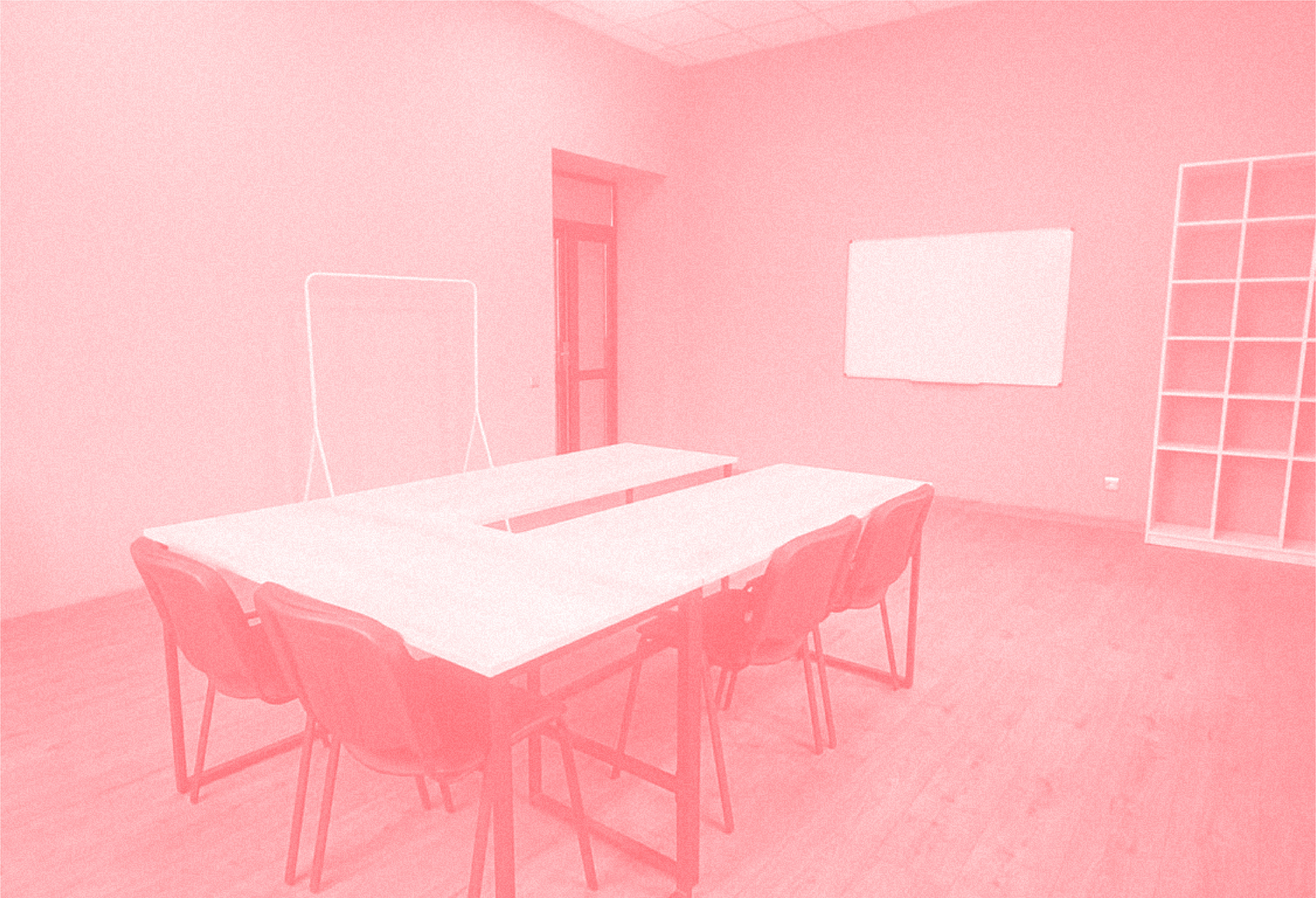
We also run a school readiness programme, where a teacher works with children for a fee that is below market rates. This allows us to pay the teacher and maintain the space without relying on the local budget.
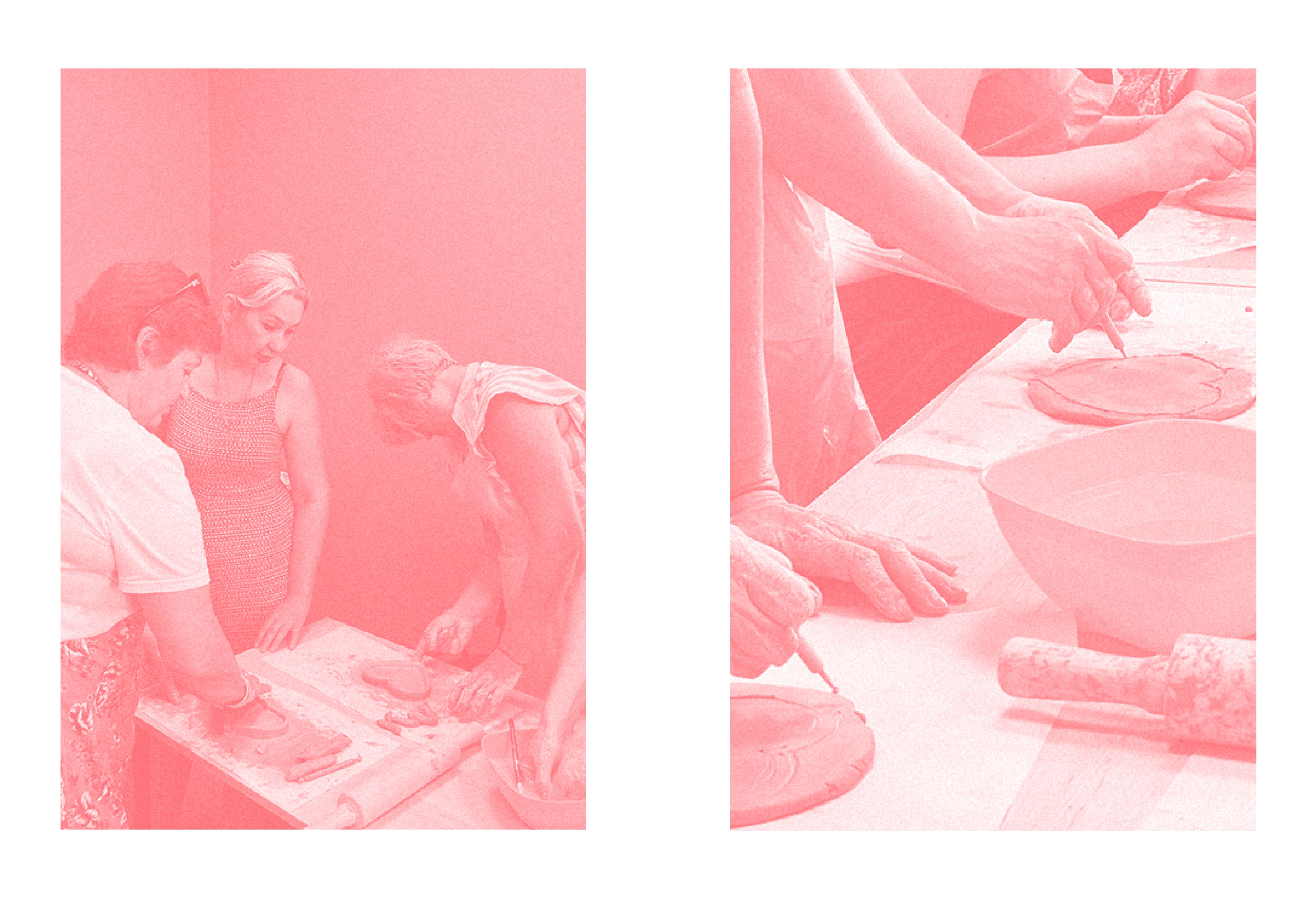
Thanks to this model, together with public organisations, we are able to offer free workshops for veterans, children of fallen soldiers and the wives of service personnel. They come in groups almost every week to make things with their hands, spend time together and talk.
Today, Dom Ludowy attracts visitors, and some people come simply to have a look. At the same time, we still have a lot of work to do. There is currently a shop on the ground floor of the building. We have already submitted a request to terminate its lease because, in the future, we want to use the entire building as a single integrated space. It will include a study room and a museum room, connected to the surrounding grounds and to the former shop premises, which will be transformed into an assembly hall for various events.
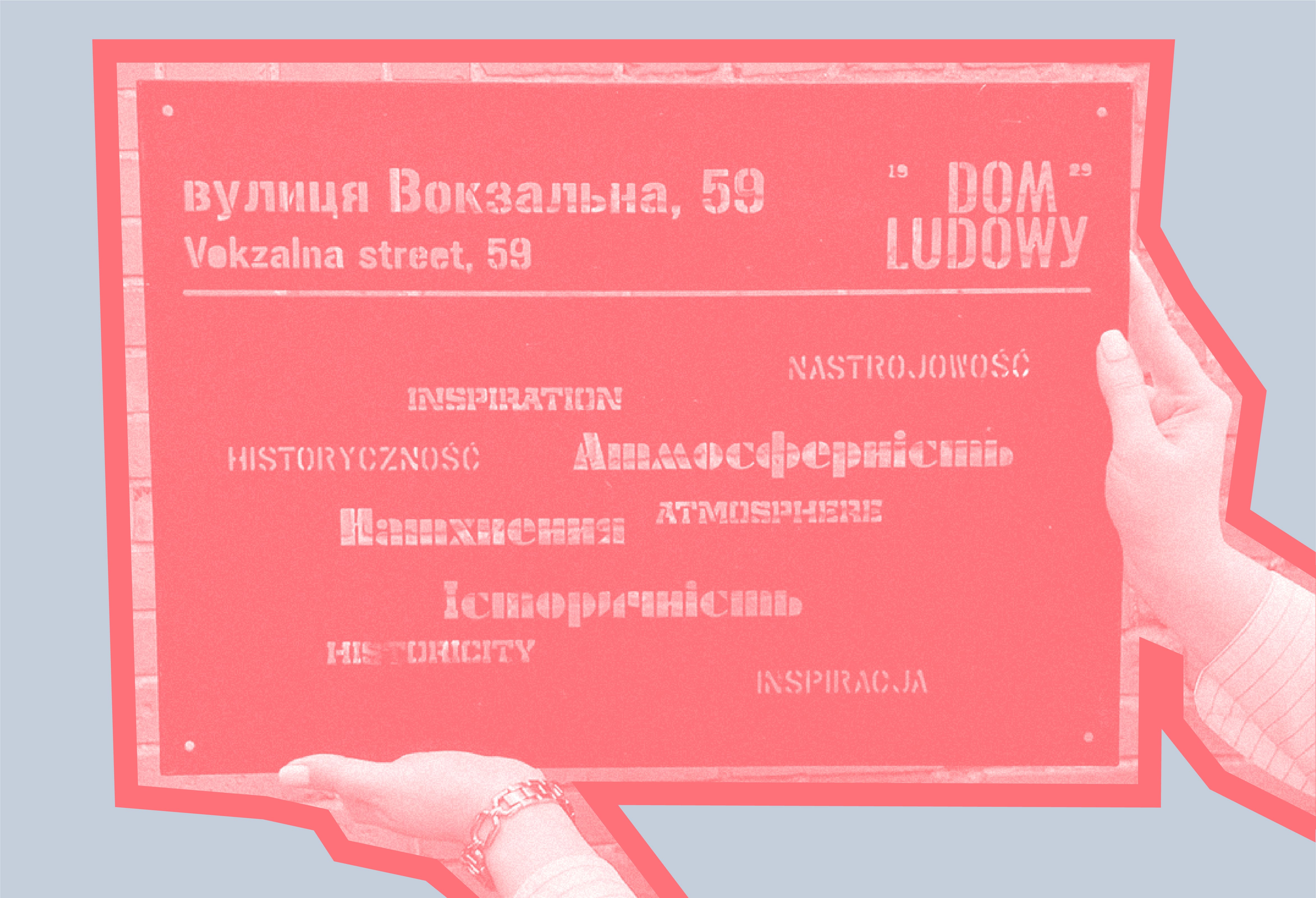
It is important to preserve the community’s intangible heritage. We received a grant from the Ukrainian Cultural Foundation, interviewed more than 50 older residents, recorded their stories, and created a travelling exhibition about the Masurians, as well as a book containing stories about repression and everyday life during that period. We want the museum to be interactive, allowing visitors to engage with history.
We are also thinking about accessibility, although this is a major challenge because the building dates from the Soviet period. In many ways, it would be easier to rebuild it than to adapt it. Nevertheless, one of our priorities is to make the ground floor barrier-free, because our workshops are attended by military personnel who use wheelchairs or prosthetic limbs. We want the space to be open and accessible to everyone.
Text: Kateryna Amelyna
Editing: Viktoriia Osipova
Translation into English: Iryna Goyal


It seems you are using Internet Explorer. Please consider browsing with Safari, Google Chrome or Mozilla Firefox for a better user experience with our website.